

What Temperature Does Lead Melt
The Importance of Right Lead Gratuitous Solder Temperature
The soldering process can fizzle out if you fail to optimize the atomic number 82 free solder temperature. Temperature is the most disquisitional factor of the soldering process. It tin influence the lead fourth dimension and outcome of the procedure.
However, there is no fixed 'correct temperature' for the soldering procedure. The type of solder used, and its composition amongst other factors determine the perfect temperature for soldering.
We have defended this article to uncover the right lead-free solder temperature. Nosotros will begin with introducing soldering and pb free solders, and then that we don't leave novices out of the loop. Then we volition highlight the importance of the right temperature. Later on which, we will talk over the correct temperature for your preferred type of solders.
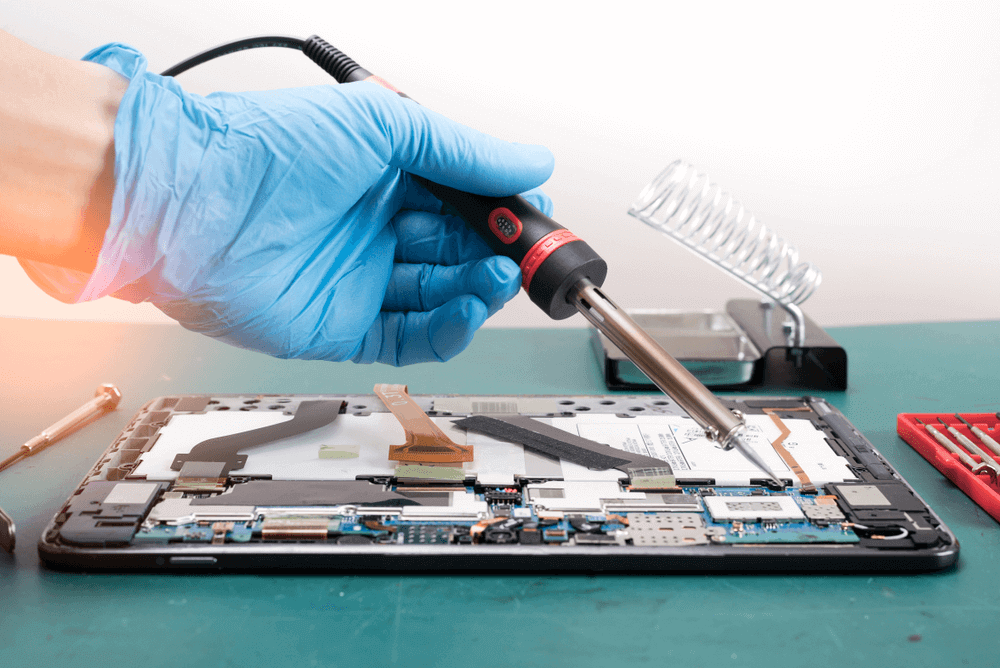
What is Soldering?
Temperature is disquisitional to the soldering process and the soldering process is of import in the electronics manufacture. The electronics industry employs unlike types of soldering processes for the industry of diverse components including circuit boards like PCBs.
Soldering is an electro-mechanical procedure that uses rut to melt a solder wire or paste to join metallic pieces together.
At that place are different types of soldering processes. These include reflow soldering, moving ridge soldering, and manual soldering. Reflow soldering includes a soldering paste that melts in the oven. Wave soldering uses waves of the molten solder to sold metal components on the circuit boards. While conventional soldering uses a soldering iron to melt solder wires that solidifies to bring together the two side by side metals.
Of course, these explanations are oversimplified. Simply explaining each of them requires an article of their own.
Focusing on the topic at hand, soldering process is widely used in the commercial and industrial sectors. Including plumbing, jewelry crafting, and of course, electronics.
Moreover, courtesy of the simplicity and humble requirements of soldering, many passionate solderers perform soldering at home.
As far as the history of the soldering process is concerned, the origins of this process appointment back to 2000 and 3000 BC. Just of grade, people and so weren't using soldering irons. The soldering process gained popularity in the 19th and 20thursday centuries with the smash in the electronics and radio industry. Which led to the development of technologically adept soldering tools.
Lead Free Solder: An Introduction
A solder is a metallic alloy that melts and forms a bail between two adjoining metals. It provides a mechanical bail between the two materials. And being a conductor, it permits the catamenia of current betwixt the side by side metals, which is imperative in all electronic equipment.
All solders are low-melting metal alloys, so a typical solder is very easy to employ. These typical solders are composed of 60% can and forty% lead. Only because lead is a toxic element, therefore, many countries accept restricted the use of atomic number 82 in consumer electronics.
But if non lead solders, what do they employ? Enter: lead complimentary solders. Pb free solders are an innovation in the soldering manufacture that was led by the demand for minimizing human and environmental exposure to lead.
The about common lead-free solders contain 99.3% can and 0.seven% copper. But there are other lead complimentary solders well that incorporate traces of silver as well. These solders are slightly expensive than Sn-Cu solders.
These solders cook at a slightly higher temperature than common lead solders. The melting temperature of lead-gratis solders make information technology a picayune less desirable for hobbyists because it is difficult to handle.
Notwithstanding, due to Eu WEEE restrictions and RoHS for atomic number 82-containing goods, commercial manufacturers find great benefits in using lead free solders because information technology allows them to supply their products in Europe and other continents.
Importance of Lead Gratuitous Solder Temperature
Many factors influence a soldering process, including the blazon of solder, type of soldering iron, and the material existence soldered. But temperature is the almost crucial gene because information technology is the single parameter that influences the process in terms of altering its lead times and shapes its outcomes.
High Lead Free Solder Temperature- Overheating
Atomic number 82 costless solder temperature tin either make or suspension the soldering project. Lead gratuitous solders melt at a higher temperature, then most solderers tend to utilise a very hot soldering atomic number 26 that overheats the solder.
However, overheating solder, or heating information technology to a temperature well across its melting temperature may outcome in several defects. These defects include localize accumulation of heat around the solder articulation and increased oxidation. Overheating contributes to increased oxidation. Because oxygen from the air tin can react with tin at elevated temperatures and contaminate the board or component.
Moreover, electrical components are sensitive, therefore overheating can too cause lath damage. Furthermore, raising lead costless solder temperature well higher up its melting indicate can reduce the quality of the solder joint formed. It may also lead to the erosion of the tip of soldering iron.
Additionally, overheating solder may burn the flux of the solder which may lead to the germination of smoke
Low Atomic number 82 Gratis Solder Temperature- Delayed Heating
The lead gratis solder temperature at which information technology melts is significantly higher than atomic number 82 solders. Therefore it is common for inexperienced solders to come up across underheated solder. When a solder does not estrus up to the right temperature within the correct time frame, many solders brand the error of prolonging the heating process.
However, increasing soldering fourth dimension too increases the risk of oxidation. Considering the metal is exposed to rut in the presence of oxygen for a longer period. Low lead gratuitous solder temperature likewise increases the lead time of the procedure. Thus contributing to poor heat transfer and leading to poor solder joints.
Moreover, a common soldering atomic number 26 that is fabricated to tackle will heat up slowly to the right pb free solder temperature. And the longer the iron takes to heat to the right temperature, the heat may spread to the neighboring components and damage the excursion lath.
The Right Pb Gratis Solder Temperature
Now that you have understood the importance of lead free solder temperature, its time we explicate what the right temperature would be.
As we have mentioned higher up, atomic number 82 free solder temperature, at which it melts, is substantially higher than traditional Sn-Pb solder temperature.
While the traditional tin-atomic number 82 solders melt around 180-190 °C, the lead free solders cook between the range of 217-227 °C, depending upon the composition of the solder. The departure betwixt these soldering temperatures must be accounted for by the soldering atomic number 26 you use.
Therefore, selecting the right soldering iron besides influences the lead free solder temperature.
The Right Soldering Fe for the Right Lead Free Solder Temperature
At present, since we have highlighted the importance of the performance of soldering fe, nosotros don't want to leave y'all wondering about how you should select one. Then, here are a few tips to aid you select a soldering fe for the right lead gratuitous solder temperature.
- For the hobbyists hither, you might want to choose a elementary atomic number 26 that is powered by 25-watt or more.
- For the more than professional ones out of the lot, effort going for the ones that accept interchangeable tips. Interchangeable tips come in handy for slow melting solders equally replacing a thin tip with a thicker one can melt the solder quickly.
- The best irons, for sophisticated projects, would exist the one powered with 50-watt or more. These irons often come up with interchangeable tips we mentioned higher up and have a feedback control to go along the temperature at the selected set up bespeak.
Conclusion
Optimizing the lead free solder temperature is disquisitional because a too-loftier or besides-depression temperature tin can reduce the quality of the solder joint, increase oxidation, impairment the circuit board while also damaging the circuit lath.
Therefore, to ensure that the soldering process yields optimal results, you must maintain the lead gratuitous solder temperature between 217-227 °C. And for that, the soldering iron must be heated well above this temperature. Because if the soldering atomic number 26 is not at a loftier enough temperature, it will fail to heat (and melt) the solder.
Soldering is a pretty straightforward procedure. All you need is the right equipment and information about the correct soldering temperature and you can easily and successfully tackle a soldering project.
For More Information, Contact Us today!
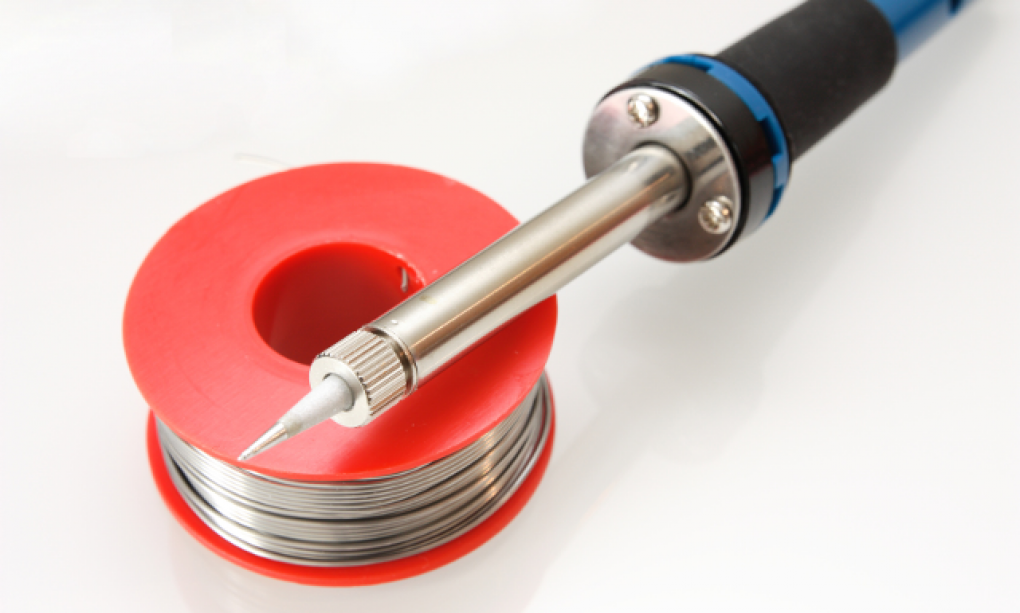

What Temperature Does Lead Melt,
Source: https://www.qtsolder.com/lead-free-solder-temperature/
Posted by: ryanocked1947.blogspot.com
0 Response to "What Temperature Does Lead Melt"
Post a Comment